3 clever ways to make your bananas stay fresh for longer
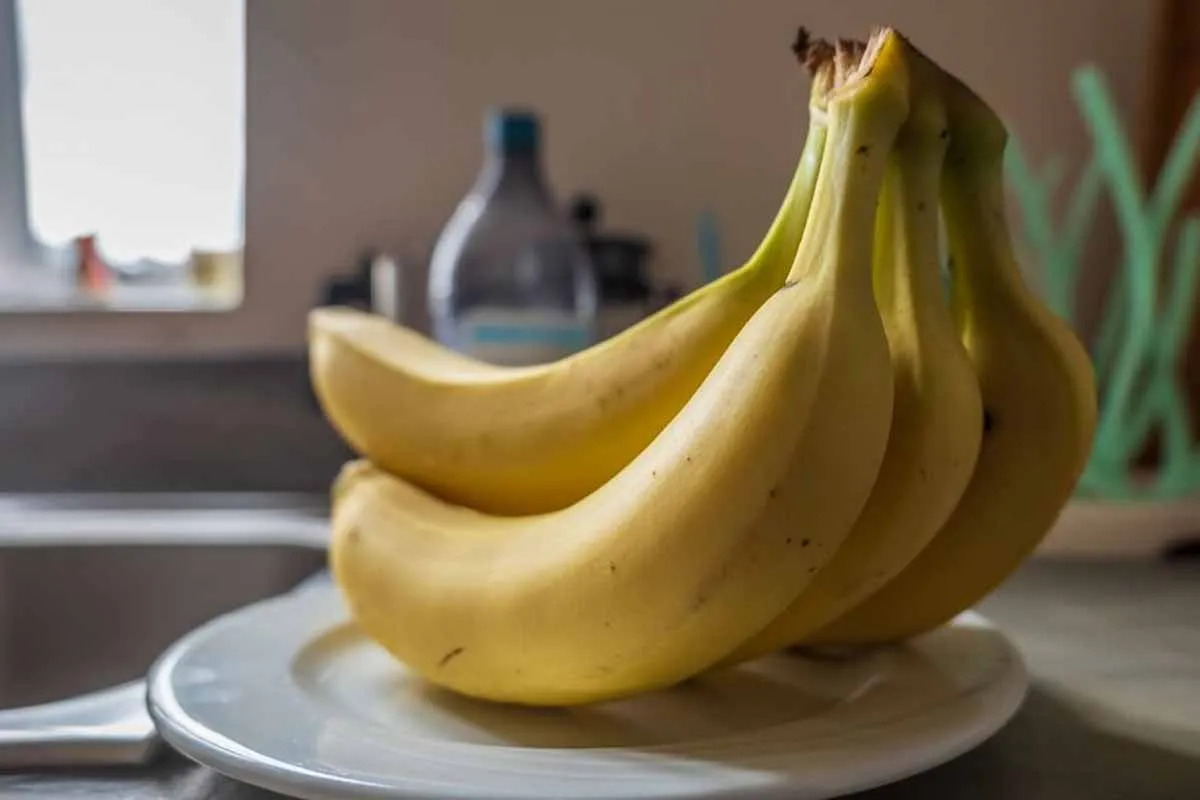
Bananas are a go-to in many homes — handy, nutritious and easy to grab. The trouble is they ripen quicker than we can eat them, so keeping them at their best becomes a small weekly job. The good news is you don’t need gadgets or odd tricks — just a few simple habits, gentle handling and a bit of patience.
Why bananas ripen so quickly
Ethylene gas is the sneaky reason bananas speed up their ripening (it’s a natural plant hormone). Bananas give off this gas as they breathe, and a few things make it work faster. Heat turns that whisper into a shout, turning yellow skins into brown speckles. Bruising speeds things up, too, and light warms the peel, nudging them towards over-ripeness. The idea is straightforward: slow the breath (ethylene), ease the pressure and keep things cool.
Picking the best place to store them
Where you put your bananas matters. A cool, shaded spot — a pantry shelf or a corner of the worktop away from direct light — is ideal, aiming for about 12 °C. Let them ripen on the counter until they reach the stage you like, then move them to the fridge. The skin will darken, but the fruit inside stays bright and sweet. Chill them too early and they’ll taste starchy and odd, so trust your nose — when they smell like dessert, give them a cool rest.
Wrapping the stems and spacing them out
Most ethylene escapes through the stem. Wrapping the crown with plastic wrap or foil and securing it with a rubber band helps reduce this. It’s not pretty, but it works. If you eat slowly, think about breaking the bunch up — single stems give off less gas to their neighbours. Keep bananas away from high-ethylene producers like apples, avocados, pears, tomatoes, peaches, and kiwis, since those fruits speed up ripening when stored together. Give them space and keep stems dry — that’s part of keeping them fresh.
Help them breathe: airflow and hanging tricks
Laying bananas flat on the counter can cause bruising where they touch the surface. Hang them on a sturdy hook instead — gravity helps stop peel damage and lets air circulate. That usually means fewer dark spots and more even ripening, unlike deep bowls where the top stays green and the bottom goes brown. Avoid plastic bags and sealed containers; they trap ethylene and become a mini ripening chamber. On humid days, a ceiling fan can help disperse the gas and keep the air moving.
Build a simple routine
Start by buying a bunch with a little green and putting them in a cool, shaded spot. Make a habit: wrap the crown, hang them if you can, and note the ripeness you prefer. A tiny note on the fridge — like “2 days to fridge” — can help you remember. When you do move them to the fridge, store them upright, stems down and tips up, to reduce pressure and bruising. Don’t worry about the peel going dark; the inside stays fine. If you want to check, a small knife through the stem will show if the fruit is perfect.
Freeze the extras
If some bananas over-ripen, freezing is a great fallback. Peel, slice and bag them, then label with the date. That prevents waste and gives you ready-made ingredients for smoothies and banana bread — future you will thank past you.
Keeping bananas fresh is mostly about knowing how they ripen and doing a few small, regular things. From wrapping the crown to making sure air can move, these habits turn a race against time into a simple kitchen ritual so your bananas are ready whenever you are.