4 Everyday Moves That Beat Weightlifting for Restoring Muscle After 50
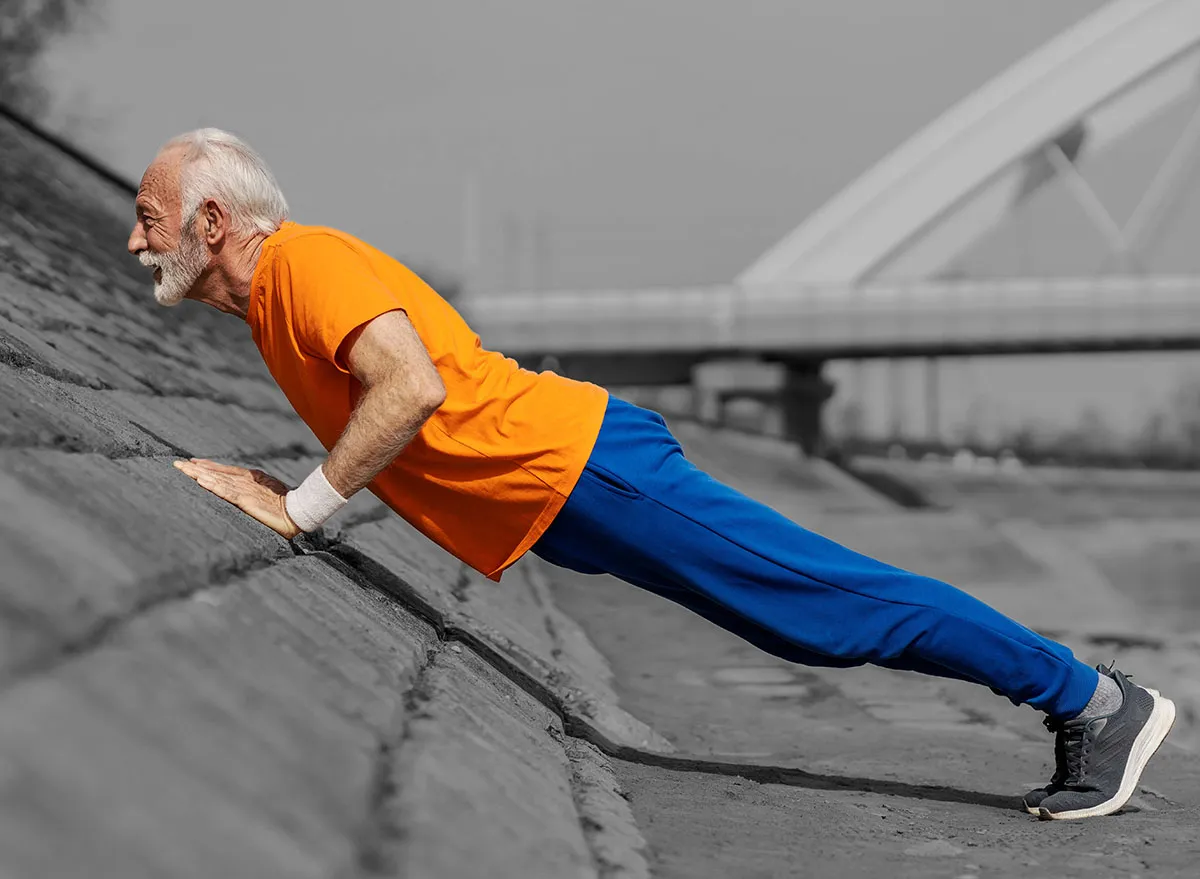
Bodyweight training is back in the spotlight as a go-to for people who want to get fitter without joining a gym. Increasingly popular, these exercises are praised for their benefits at any age, but they become especially useful after 50. By focusing on mobility, balance and functional strength, they meet the particular needs of this life stage, helping to improve quality of life and maintain long-term independence.
Why bodyweight training works so well
When it comes to building strength, protecting joints and sharpening coordination, bodyweight work stands out for its flexibility. Unlike training with weights, it can be adapted to every fitness level and doesn’t place excessive strain on the joints (an important point for those aiming to stay active after 50). Bodyweight work is also recognised for being more effective at reversing muscle loss than weight training.
Among the many benefits, improving coordination, preserving muscle mass and increasing bone density are fundamental. These exercises don’t require a gym or specialised equipment, which makes them accessible to everyone. As wellness expert Eric North (also known as The Happiness Warrior) says, “these exercises build coordination, preserve muscle mass and increase bone density without the need for a gym or specialised equipment.”
Key exercises for an effective routine
The following moves — chair squat, incline push-up, split squat and single-leg Romanian deadlift — stand out for their specific advantages.
Chair squats
Chair squats boost leg and glute strength while improving balance. To do them, start standing in front of a chair with your feet hip-width apart. Brace your core, lower into a squat slowly keeping the weight in your heels, then stand back up. This movement helps control the body and works the stabiliser muscles you rely on every day.
Incline push-ups
Incline push-ups strengthen the core, chest and arms. Performed against a wall or other stable surface, these push-ups reduce pressure on the shoulders and wrists, offering a safer alternative to standard floor push-ups. Keep your body in a straight line and bend the elbows until your chest lines up with them, then push back to the start.
Why adaptability matters long term
The split squat targets the whole lower body. With one foot placed forward and the other back, each leg works independently, revealing and correcting strength imbalances that could lead to injury. This move improves hip stability and leg strength, both important for keeping joints resilient.
The single-leg Romanian deadlift is a great example of an exercise that strengthens the hamstrings, glutes and lower back while testing coordination and balance. Start standing, shift your weight onto one leg, and extend the other leg back while keeping your back straight. This highlights unilateral imbalances so you can work on fixing them.
Consistency versus intensity
This set of exercises demonstrates, as Eric North puts it, “as with most things in life, consistency matters more than intensity”. By adding these movements into your daily routine, you won’t just build confidence — you’ll also support independence by mimicking everyday activities.
Taking up bodyweight training, particularly after 50, means choosing an active, self-reliant life. It’s time to rethink ageing with strength, stability and emotional vitality. Give these exercises a go in your routine and experience the benefits for yourself.