After 33 Years Underground, Plans to Reopen One of the Nation’s Biggest Gold Mines Are Suddenly in Motion
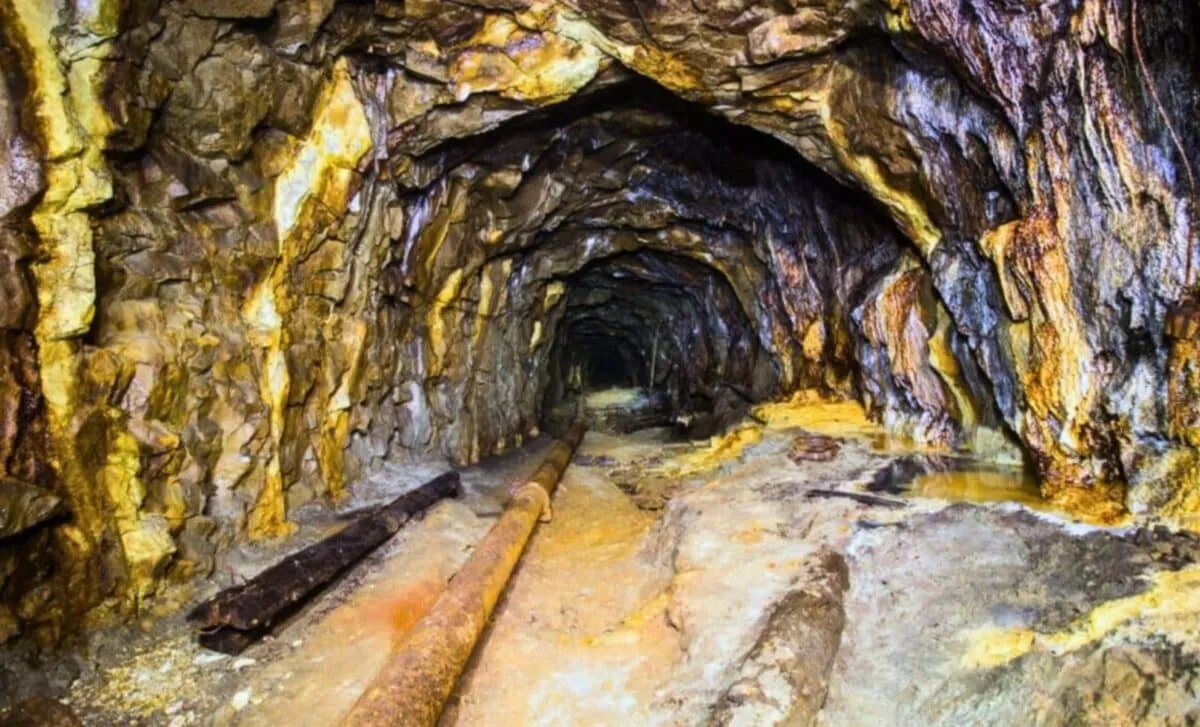
Tucked on the edge of the Amazon rainforest in Brazil’s Pará state, the Serra Pelada open‑pit mine became famous for one of the world’s biggest gold rushes. Although the mine shut down in the early 1990s, interest is stirring again after more than three decades of inactivity. Local cooperatives are keen to restart extraction, but a heap of environmental, regulatory and social issues needs sorting to square past problems with present ambitions.
The dormant mine and new hopes
The sudden stop in activity at Serra Pelada left the site largely unsecured. Local cooperatives are now pushing to reopen the area, yet no formal licence has been issued to restart operations. That legal gap has let informal activity creep in, with unregulated miners (known locally as “wildcat miners”) slipping onto the site at night. Those clandestine digs have made a bad situation worse, widening trenches and leaving the ground unstable.
There’s no modern technical infrastructure in place, which only adds to the challenge. Any reopening would have to meet the standards set by Brazil’s updated mining code. That means reinforcing tailings dams, putting in place proper health and safety measures, and completely phasing out the use of mercury in gold extraction — steps that will be fundamental to any sensible reactivation plan.
Environment and health worries
Serra Pelada’s legacy includes serious environmental and public health problems, particularly mercury pollution from earlier artisanal mining. Research by Veiga and Hinton shows persistent mercury contamination in both soils and waterways, with downstream effects on fish stocks and people’s health. The lack of containment or regular environmental monitoring only raises the risk to nearby communities and ecosystems.
Long-term mercury exposure mirrors wider problems across Brazil, where ageing and poorly monitored mining sites are common. That situation has put a spotlight on illegal mining and the gaps in federal oversight, calling into question Brazil’s readiness to deal with these environmental fallouts effectively.
Regulation and economic questions
Brazil is under pressure to balance economic goals with tighter regulation as it considers reactivating dormant sites like Serra Pelada. The National Mining Agency (ANM) is being urged to update its licensing and inspection routines so enforcement is consistent across different regions. Yet, even though Brazil ratified the Minamata Convention on Mercury in 2017, there’s still no formal national action plan to cut mercury use — an alarming policy gap that hampers coordinated responses.
The economics are tricky, too. Between 2018 and 2022, Brazil reportedly used up to 254 tonnes of mercury to produce 127 tonnes of gold, while officially importing only 68.7 tonnes. That mismatch points to potent illegal trade networks, according to Instituto Escolhas, led by Larissa Rodrigues. Instituto Escolhas sheds a harsh light on Brazil’s gold trade, warning that 54% of the gold exported in 2022 likely came from informal sources.
What this could mean going forward
Reopening Serra Pelada might bring a much‑needed economic boost to a region that’s struggled for growth. But the risks — renewed mercury contamination and possible expansion of illegal mining — are serious and demand urgent attention. If Brazil wants to keep its standing in international markets, strong environmental controls are unavoidable until mercury is completely phased out. As Larissa Rodrigues puts it, “Brazil must commit to phasing out mercury. Until then, the bare minimum is strict controls.”
The choices made around Serra Pelada will offer lessons for handling other inactive or abandoned mines. The big questions remain: how well can Brazil marry economic aims with environmental sustainability, and what legacy will Serra Pelada leave for future generations? The answers will depend on striking the right balance between development and preservation, with every stakeholder playing a part.