Farewell to microwaves as families embrace a quicker, cleaner gadget reshaping everyday cooking
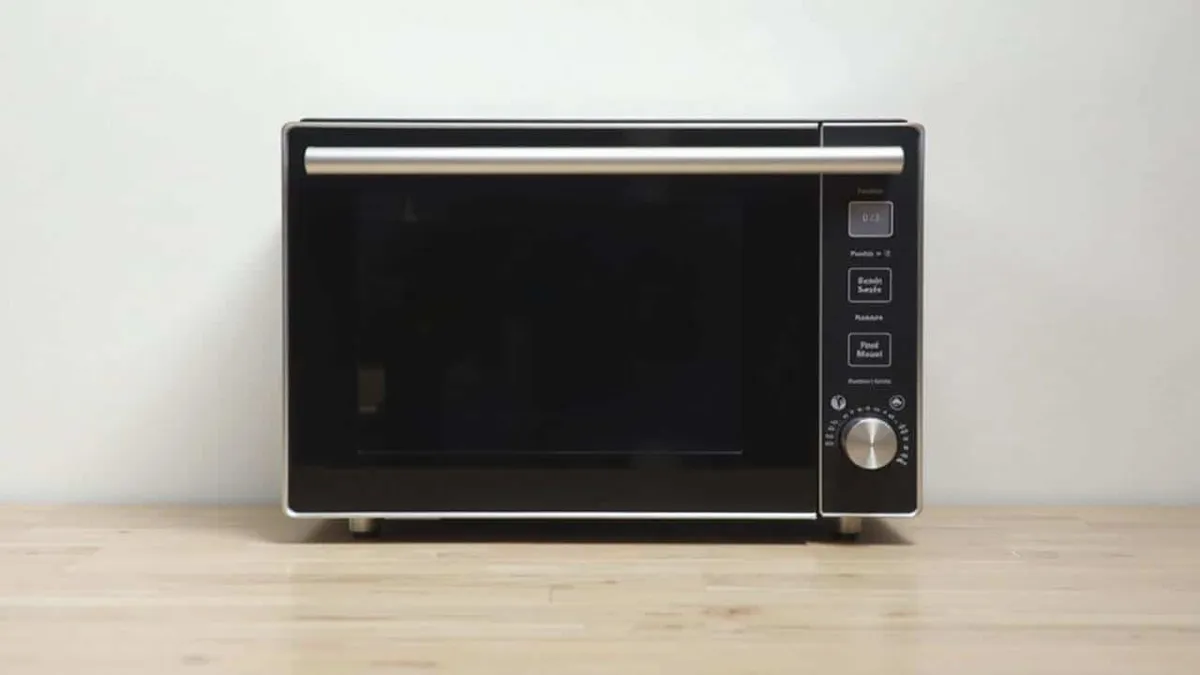
In a world that favours convenience, the humble microwave is slowly being edged out by a new wave of compact cooking gadgets. Celebrated for giving food a bit of crunch while using less energy, these machines are quietly changing how we cook. Air fryers and rapid ovens (rapid convection ovens) are popping up on worktops everywhere, reshaping meal prep and upsetting old routines.
How kitchens are changing
The move away from microwave cooking towards air fryers and rapid ovens is obvious in homes around the globe. Consumers are noticing better texture and energy use, and retailers are responding—putting these gadgets front and centre while microwaves get pushed to the back shelves. This quiet shift is visible: millions of households in the UK and US have taken them on, and retailers report double-digit growth in sales as people look for faster, cleaner options while energy bills rise.
You can see it in everyday cooking. Picture a typical Tuesday: a mum drops frozen vegetables, chicken thighs and pizza slices into an air fryer. In just 15 minutes, the kitchen smells like a roast dinner, while the microwave sits unused in a corner—its old role replaced by devices that deliver taste and texture microwaves struggle to match. That scene repeats itself across many homes, showing how weekday cooking is changing.
Why these new gadgets are popular
Air fryers and rapid convection ovens bring clear benefits over traditional microwaves. Microwaves often heat unevenly, whereas these newer machines circulate hot air around the food, producing a turbo-oven effect. The result: golden nuggets, caramelised veg and revived roast potatoes—without the sogginess microwaved dishes can suffer from.
Demographics help explain the trend. It’s increasingly rare to meet people under 40 who haven’t thought about swapping their microwave for one of these multifunctional gadgets. A 29-year-old in Manchester bought a cheap air fryer for chips and now uses it for every weekday meal. A London-based food writer, who tested over 20 models in her flat, sums it up neatly: “The goal isn’t to worship a new gadget. It’s to question the default.”
How they’re changing everyday life
The everyday benefits are obvious around the family table. Busy parents and individuals welcome needing fewer pots and pans, and with fewer splatters and cooking smells the cleanup is easier—small wins on hectic weeknights that lift the mood. The convenience of these tools fits modern pressures: busy timetables and tight energy budgets.
Practical hacks have sprung up too, like the “air-fryer tray dinner” or reheating leftovers with exact timings scribbled on sticky notes. These small routines make cooking simpler and win over sceptics through repeated success. Millions of consumers—from families of five in Lyon to retired couples in Dublin—are adopting these approaches to make daily meals easier.
Adapting to new cooking habits
These devices have shaken up cooking, but they’re not a cure-all. No gadget will turn a home cook into a professional chef or solve bigger issues such as food sourcing. Dense casseroles and delicate sauces can still do better on a hob or in a slow cooker. For everyday meals, though, air fryers and rapid ovens make a strong case for being quicker and more convenient while preserving texture and quality.
This quiet countertop change prompts a rethink of traditional cooking methods and offers a chance to try contemporary solutions that meet today’s needs for speed, cost control and good results without compromising on quality.