Forget lemon and vinegar: the pro-approved way to remove limescale from your taps
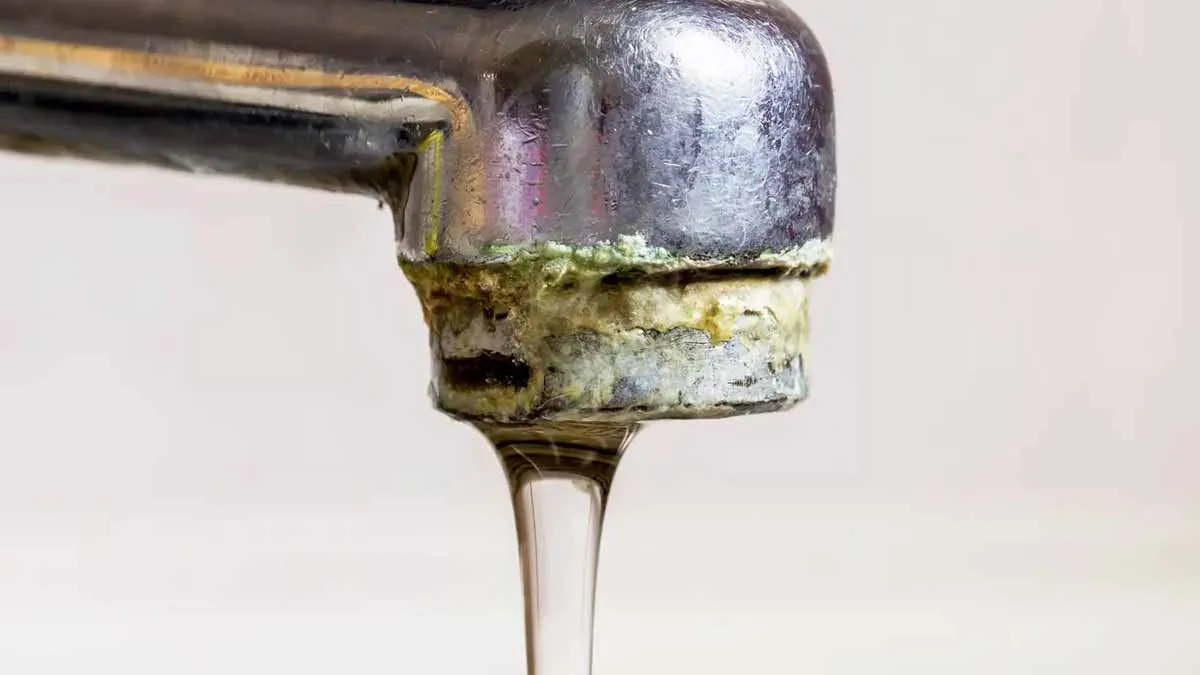
Limescale is one of those small household nuisances that creeps up on you. Over time, those white marks rob metal fixtures of their shine, can slow the flow of water and make a mixer tap harder to turn. But limescale isn’t unavoidable. It’s manageable with simple, accessible methods that are kinder to the environment.
what causes limescale
Limescale comes from hard water — water that contains a lot of minerals, mainly calcium and magnesium. These minerals leave white films on surfaces, known as limescale deposits. As they build up and harden, they can block the aerators (the little mesh or screen at the end of the spout), reduce water flow and damage metal finishes.
Every drop that dries leaves a mark, and that process repeats constantly. If you don’t keep on top of it, those deposits set and become much harder to remove. Understanding why it forms is the first step to dealing with it without resorting to harsh chemicals.
gentle cleaning for regular upkeep
For everyday maintenance, a gentle clean will do the trick. Heat water until it’s hot but not boiling and dissolve a small amount of Marseille soap in it. Use the warm soapy water with a sponge to wipe the taps, let it sit for a few minutes, then rinse thoroughly. This brings back the shine, respects chrome and steel finishes, and doesn’t give off strong smells. It costs only a few pence and is perfect for routine care.
For tougher bits, an old toothbrush is great — its bristles reach the nooks a sponge can’t. Scrub gently, then rinse again. This removes more stubborn limescale without excessive effort and keeps your metal surfaces intact.
small habits and tougher fixes
Simple daily habits make a big difference. Wiping taps dry with a cloth after each use stops droplets drying on the metal and forming deposits. It only takes a couple of seconds, but over months it really helps keep things deposit-free.
For heavier build-ups, stronger home remedies work well. Attach sachets filled with hot soapy water to the spout and leave them to soak for thirty minutes — it acts like a local bath and helps dissolve thick layers. This is especially handy for blocked aerators.
thinking about water treatment
If you’re fed up with constant cleaning, technical solutions like water softeners are worth considering. It’s an investment, but they cut down on limescale all through the house and reduce the need for frequent cleaning. You’ll also see fewer marks on dishwasher glasses and less skin irritation in the shower.
As a cheaper, less invasive option, filters fitted on water inlets can help (they’re more discreet and cost less), though they might not offer the same level of treatment as a full water softener.
how often to clean and what to expect
Light maintenance once a week is a good rule of thumb to keep limescale under control. Regular upkeep matters — leaving months between cleans produces hard deposits that take much more effort to shift. While deposits will come back because of the minerals in the water, managing them regularly prevents blockages and keeps fixtures looking polished.
keeping it eco-friendly
Choosing environmentally friendly methods matters. Relying on hot water, mild soap and regular care means you’re not pouring aggressive products down the drain or filling your home with chemical smells. Eco-friendly practices protect the environment and help your fixtures last longer.
The gentle cleaning method described is safe for chrome and steel finishes, unlike some harsh chemical cleaners that can damage those surfaces. Ingredients like vinegar or lemon are often mentioned for their de-scaling properties, but use them with care so they don’t cause harm.
By following these tips you’ll keep your taps working well and looking good, enjoy limescale-free surfaces and have a much breezier cleaning routine.