Hardly anyone knows it: The world’s healthiest food is free this December
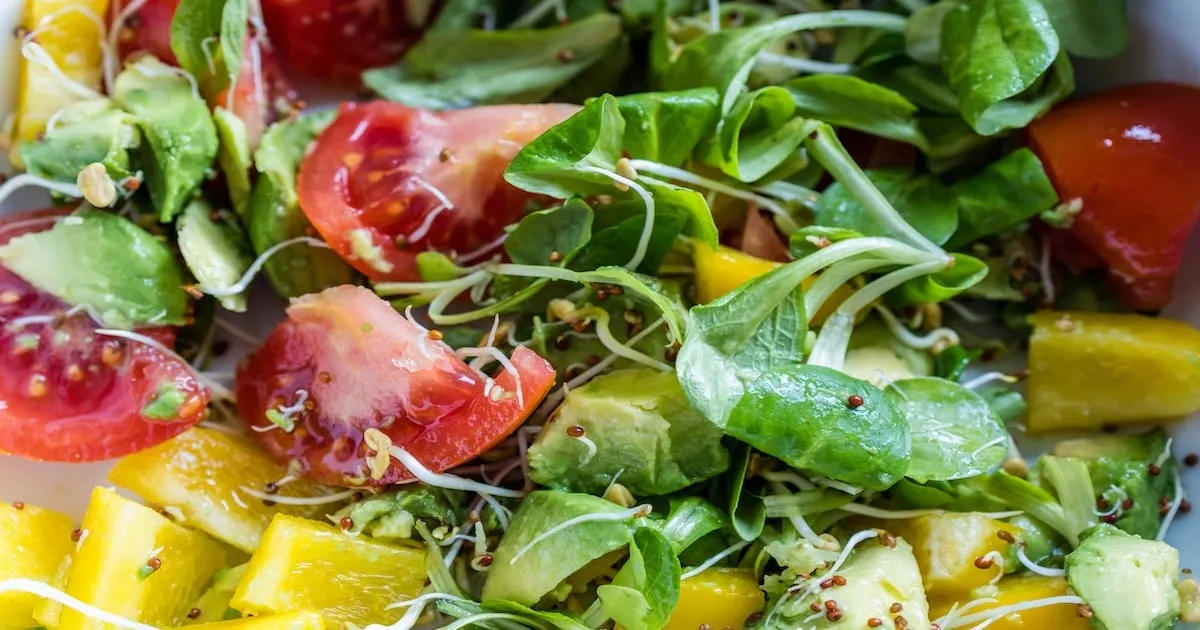
As temperatures drop in November and December, a lot of us start hunting for foods that give a proper nutritional lift through the colder months. One of the healthiest plants you can find is growing wild and free right now: watercress. This vitamin-rich plant, found along streams and clean watercourses, is readily available in the UK at this time of year and offers benefits that can rival many pricey “superfoods.”
What watercress is packed with
Watercress has earned a top spot among the healthiest foods thanks to an impressive nutrient list. Studies show it provides 100% of the recommended daily intake for 17 essential nutrients in just 100 calories (that is, 100% of the recommended daily allowance of 17 nutrients per 100 calories). Key nutrients include Vitamin C, beta-carotene, iron and calcium — all important for keeping the body running well. On top of that, watercress contains anti-inflammatory secondary plant substances and antioxidants that help protect cells from harmful free radicals. It also has mustard oils (the same sort of compounds that give mustard and horseradish their bite), which add antibacterial properties and help strengthen the immune system. Put together, these features make watercress a genuine health booster.
When and where to pick it
Watercress is best gathered in November and December, when it still does well even as the weather turns cold — provided the water is clean and flowing. Winter hardiness is a notable feature, so the middle of the cold season is a great time to pick. The plant prefers clean, calcareous flowing waters and is commonly found in streams and springs. Make sure you collect only from unspoilt spots well away from roads or agricultural land to keep your harvest as pure as possible.
How to spot and harvest watercress
Recognising watercress is fairly simple. The leaves are shiny and rounded and the flavour is sharply spicy, a bit like radish or garden cress. Small white flowers do show up in spring, but you won’t see them in late autumn, so leaf shape and taste are your best ID markers at this time of year. When harvesting, use a clean pair of scissors or a knife to cut the leaves and leave the roots intact so the plant can regrow. This helps the patch keep producing year after year.
How to store and cook it
After picking, wash watercress thoroughly to remove any small creatures or sand. It’s very versatile in the kitchen. Raw, it gives a punchy note to salads, smoothies or sandwiches. Or briefly blanch it and add as a peppery lift to soups or stir-fries — a quick cook keeps the vitamins and that fresh flavour from nature.
Foraging responsibly and safety tips
When collecting wild foods, take care. Only harvest what you can eat in the short term and always leave the roots so the plants recover. Forage away from possible pollution sources such as roads or cultivated fields to preserve the quality of what you pick. If you’re unsure about identification, a field guide or a plant identification app can be a handy check.
As winter deepens, watercress not only helps you add one of the healthiest foods to your diet but also reconnects you with the rhythm of the natural world. Being free and full of useful nutrients, it’s a great chance to enjoy a genuinely beneficial food straight from the heart of nature.