In Finland, people heat their homes without radiators using an everyday item we all own
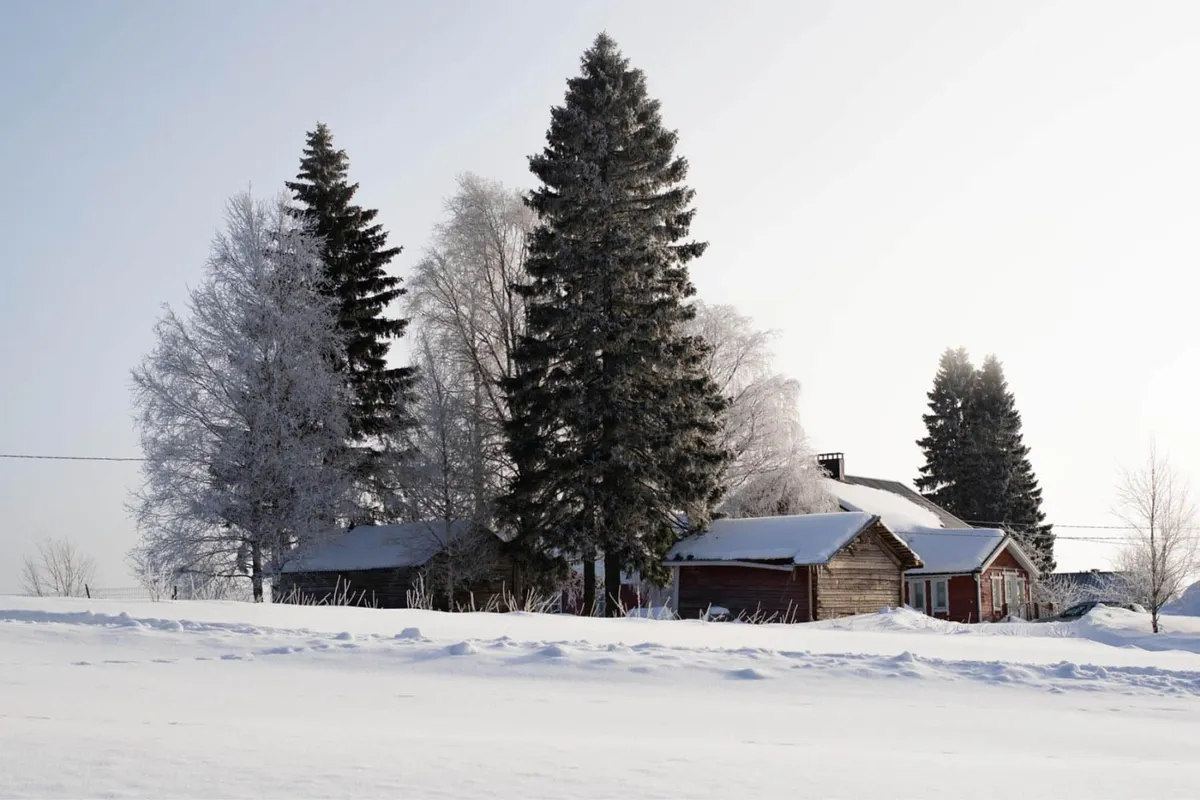
When the long, dark Finnish winter sets in, people often turn to a time-honoured trick to make their homes feel warmer. Candles, long used for atmosphere, are now doing double duty as a subtle top-up to indoor heating. That approach saves money and is kinder to the environment, helping Finns cope with high energy bills and long stretches of low temperatures.
Keeping that tradition alive
Finland is famous for its long, dark winters, and that creates particular heating challenges. People living in cities like Helsinki and other urban areas across the country face not just intense cold but also very little daylight for months on end. Even with more energy-efficient buildings and district heating networks (where heat is generated centrally and distributed to whole neighbourhoods), rising energy costs and a wish to be more environmentally friendly have forced many families to rethink what counts as “enough” heating.
As a result, Finns quietly turn to candles as a little extra heat source. Those small flames have moved from being purely decorative to becoming handy tools for localised warming. Families light them close to sofas or desks to warm specific spots rather than trying to lift the temperature of the whole flat. For many people in Helsinki and other cities, this ritual — often called a “ritual of decompression” — marks the switch from a busy workday to time for relaxing at home.
The science behind candle heat
Technically, candles do a useful, modest job. Each open flame produces both heat and light, following simple physical principles. A single candle can generate around 30–80 W of power, and when several candles are grouped together — typically five or six — they can produce heat similar to a small electric heater on its lowest setting. In well-insulated rooms, even these small heat sources can make a noticeable difference.
The aim isn’t to lift the entire home to a comfortable 22°C, but to nudge the temperature in particular zones from 16°C to 18°C. In those spots, the flickering flame gives a sense of warmth that goes beyond what a thermometer shows. Specialists point out that people often feel a place is warmer because of what they see before the temperature actually changes, underlining the psychological and sensory benefits of lighting candles.
Safety and common sense
Candles do come with obvious risks as naked flames, so they shouldn’t be seen as a replacement for central heating systems — more as a short-term aid in saving energy. Care is needed. Important precautions include:
- using candles under supervision,
- placing them on stable surfaces, and
- keeping them away from flammable materials.
Experts emphasise that candles can help warm certain areas but they aren’t miracle fixes. For many Finnish households, the bigger plan is to combine several energy-saving measures to make homes comfier and reduce dependence on conventional heating. Candles fit into that wider approach to living more resourcefully.
By mixing old habits with modern energy solutions, people in Finland keep finding ways to manage their demanding climate. As candles light up homes through the long winter months, they offer both literal warmth and a reminder of a pragmatic, thoughtful response to ongoing challenges.