Skip Vinegar and Baking Soda: The Ultimate Trick to Keep Apple Slices Fresh
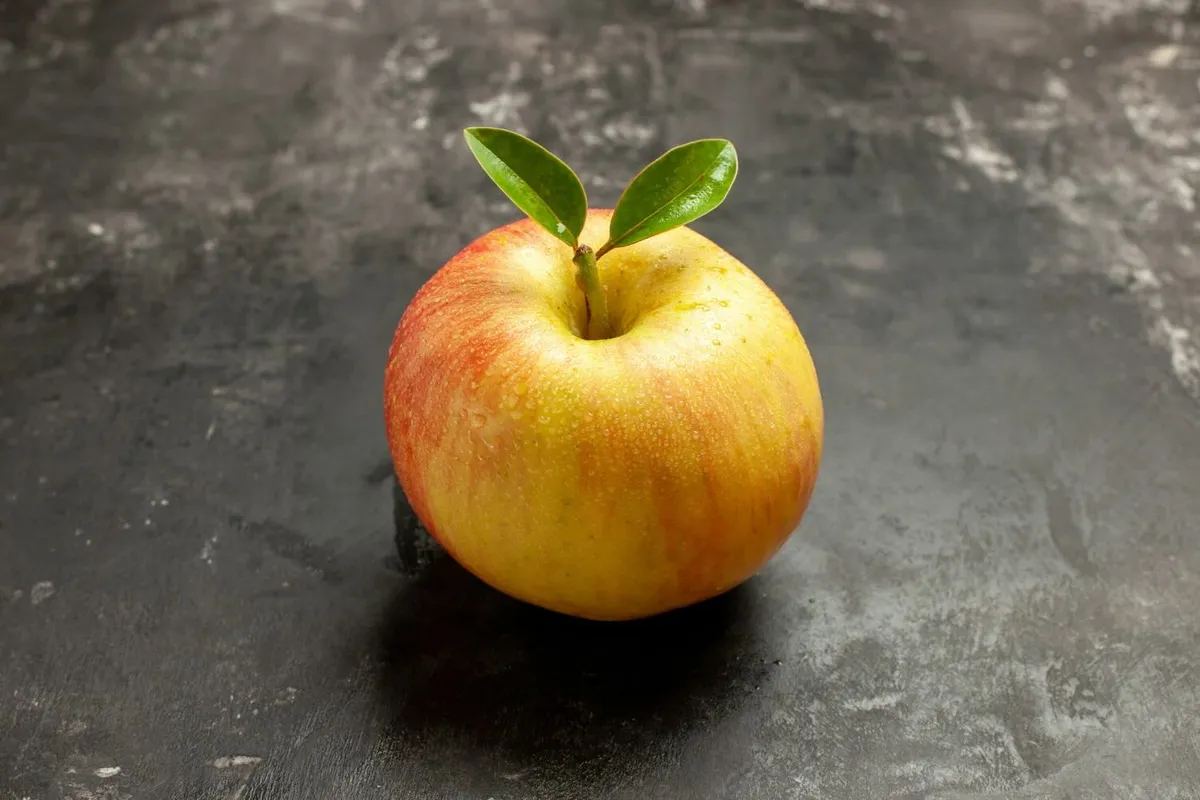
Apples turning brown shortly after being sliced is something many of us have seen. It doesn’t make them unsafe, but it does change the taste and looks, which puts a lot of people off. Vinegar or sugar may be the first things you try, but they don’t do the job. A light saltwater soak is actually the most effective way to stop browning. This article explains the science behind apple browning and why saltwater comes out on top.
Why sliced apples go brown
When you slice an apple, oxygen from the air meets enzymes in the fruit and a chemical reaction called oxidation happens. That reaction is what turns the flesh brown. The browned fruit is still safe to eat, but it won’t taste or look as good.
Common household fixes like vinegar or sugar don’t preserve the crunch or the fresh appearance as well as you might hope.
The best trick — a light saltwater soak
After testing several approaches, a light saltwater solution proves the most reliable. It prevents browning and, if you rinse the slices properly under cold tap water, leaves no detectable saltiness. Use 2.5 ml of kosher salt mixed with 240 ml of room-temperature water. Soak the apple slices in this mix for five minutes, then rinse them off. The slices should stay fresh and bright for up to 12 hours at room temperature and even longer if you refrigerate them.
This method works because it’s simple and cheap. Unlike some other options, it won’t change the taste once rinsed and doesn’t mean you need to buy extra items like lemon-lime soda or honey.
How other methods stack up
- Lemon water only delayed browning for about 2 hours and added a slightly tart taste to the slices.
- Fresh lemon juice prevented browning for about 7 hours but left a citrus flavour.
- Citric acid kept apples fresh for up to 12 hours but made them overly tart (better for cooking or baking).
- Lemon-lime soda worked for up to 6 hours but introduced extra sugar, which may be unwanted.
- Plain water delayed browning for 4–6 hours but was the least effective overall.
- Honey water kept apples fresh for up to 12 hours but is more expensive and can leave a lingering sweetness.
Among these, the saltwater method stands out for being cheap, easy to prepare and neutral in taste after rinsing.
Practical tips and uses
This saltwater trick is handy when preparing apple slices for school lunchboxes or snacks made ahead of time. Store the rinsed slices in a sealed bag or container to keep their crispness and colour. If you’re planning to bake, lemon juice or citric acid work well too, since the tartness won’t matter in a cooked dish. For quick, short-term needs, plain water is the fastest fix, though it won’t last as long.
Keeping apple slices looking and tasting good doesn’t have to be tricky. Vinegar and sugar aren’t the answer — try the saltwater soak next time you’re prepping apples for a snack and see how well it works.