Stunning rare bird believed lost to extinction found again after a century without sightings
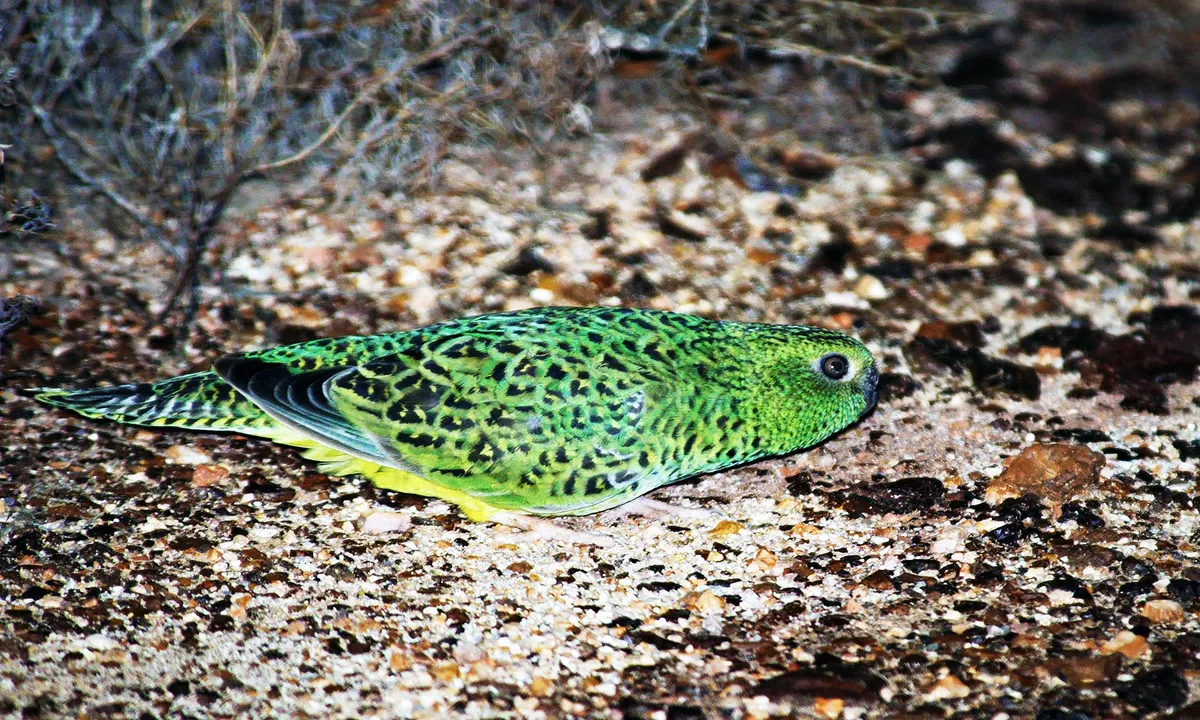
The find and protection of the elusive night parrot — a bird that’s almost legendary across Australia’s interior — has moved forward thanks to a detailed study that maps its habitat, threats and conservation options. This nocturnal species, small and green-and-yellow, keeps out of sight by day, nesting and roosting in thick desert grasslands. The new research sheds light on where these birds live, what puts them at risk, and how to help them survive.
A closer look at the Great Sandy Desert
The study, carried out from 2020 to 2023, centred on Ngururrpa Country, an important stronghold in the Great Sandy Desert. Using decades of satellite imagery, Indigenous rangers and scientists worked together to answer big questions about the night parrot. Nick Leseberg, an ecologist at the University of Queensland, co‑authored the paper published in the journal Wildlife Research.
The team blended Indigenous knowledge with scientific kit — weatherproof audio recorders, camera traps and scat analysis (analysis of droppings) — to scan the desert. They found night parrots at more than half of the sites surveyed, suggesting the birds are more widespread than previously thought. The study estimates about 50 night parrots live in this protected area.
The birds rely on dense, older clumps of bull spinifex (Triodia longiceps) for roosting and shelter (the spinifex forms dome-shaped clumps over many years). These mature clumps offer cooling and hiding spots that younger, sparser spinifex can’t provide. Sadly, frequent fires — sparked by lightning and dry conditions — stop spinifex from reaching that protective dome form.
Dealing with natural threats and predators
Alongside habitat loss, predators are a serious problem. Camera traps often recorded feral cats and dingoes in the area. Stealthy feral cats can take night parrot chicks and even adults. Dingoes, while potential predators themselves, help keep feral cat numbers down, either by preying on cats or by changing the way cats use the landscape.
That means predator control programmes are needed, but they must be handled with care. Cutting dingo numbers too much could let feral cats increase, which would be bad news for ground‑nesting night parrots. Keeping a balance where cats don’t dominate is very important for chick survival.
Practical conservation measures
Protecting the night parrot calls for several approaches at once. To guard spinifex habitat from destructive fires, the study recommends strategic fire management: cooler, well‑planned burns can create a mosaic of fuel breaks and reduce the chance of high‑intensity wildfires. Modern mapping tools used alongside Indigenous rangers’ deep local knowledge are especially useful here.
At the same time, keeping the predator community balanced matters. Recognising the role of dingoes in suppressing cat numbers should inform predator management. Reducing human disturbance — such as vehicle tracks and grazing stock — is also important because these pressures can harm the delicate ecosystem of Ngururrpa Country.
Adding advanced monitoring methods, like genetic techniques and tiny tracking tags, would improve understanding of night parrot population dynamics. These tools could give more precise population estimates and show night-time foraging patterns, helping shape more targeted and effective conservation work.
The study highlights the value of combining Indigenous knowledge with scientific methods, and sets a model for future projects. The two approaches working together show real promise for lasting results, helping the night parrot — once almost mythical — keep thriving in its desert home. The coordinated efforts in the Great Sandy Desert offer hope for the bird’s long‑term survival and call for continued vigilance and decisive action to protect its unique habitat.