The Best Way to Restore Dirty Baking Trays to a Like‑New Shine
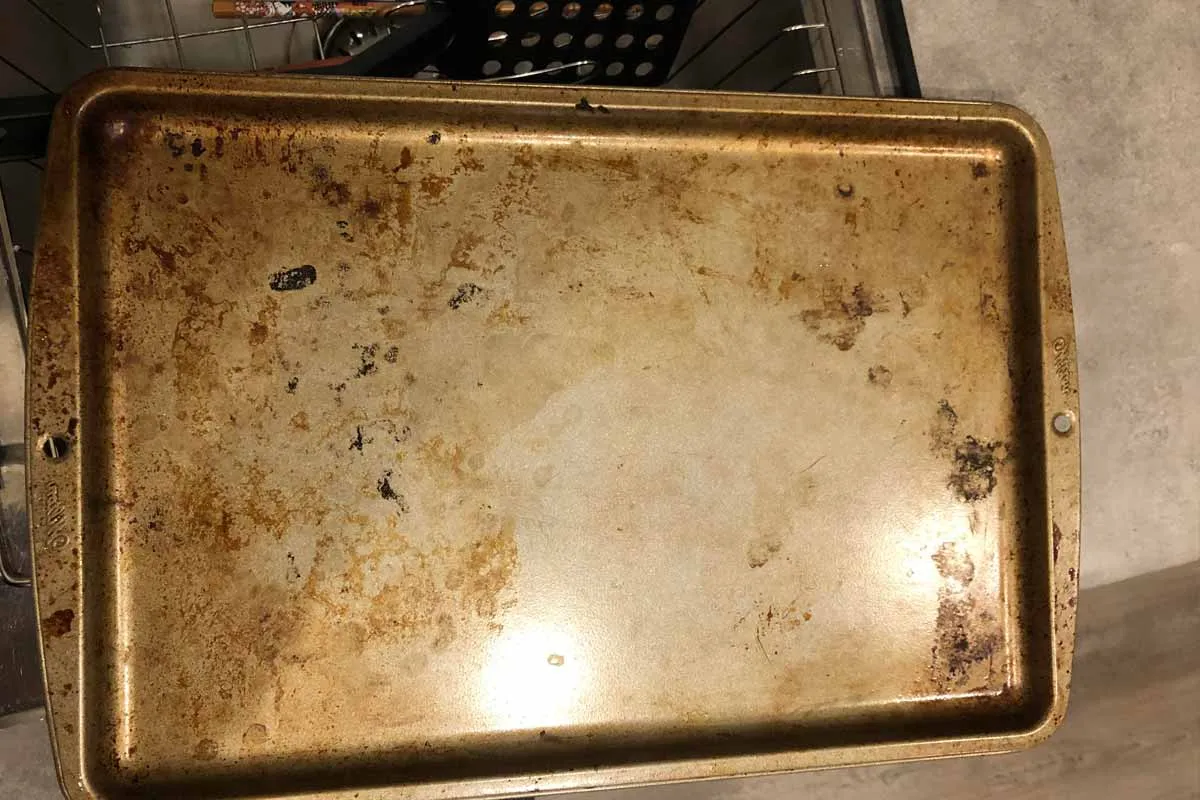
Many home cooks know the annoyance of dealing with grimy baking sheets. These trusty kitchen items are often overused and neglected, and they can turn a simple evening cook-up into a faff. This article runs through practical ways to clean and look after your baking sheets, saving you time and patience.
What happens if you neglect your baking sheets
Dirty baking sheets bring a few problems to the kitchen. Grease that bakes on becomes sticky and won’t come off with a regular sponge. Left long enough, it can turn rancid and alter the flavour of your food. Baked-on oil also creates an uneven surface, so things stick, burn or cook unevenly. You’ll see more hot spots, pale corners and misbehaving cookies on a sheet that won’t brown properly. Old grease can also produce smoke and unpleasant odours, fogging your home and even warping favourite pans.
How to care for different pan types
Not all sheets are the same, so they need slightly different care. Bare aluminium sheets don’t take well to dishwasher detergents (they can scar the surface) — handwash them in warm, soapy water with a gentle touch. Nonstick pans need even more care; harsh pads will wreck the coating and make food stick. Although stainless steel pans can cope with tougher cleaning, they still do better with gentler handling.
For every type, dry immediately after washing to avoid water spots. Store them hanging or standing upright to let air circulate (this helps stop trapped moisture and lingering smells). Follow these tips and you’ll keep your pans working well for years.
Effective ways to clean stubborn grime
There are several reliable methods to shift stubborn gunk. One simple approach is a paste of baking soda and dish soap. Spread it over the sheet, let it sit for 20 minutes, then scrub with a non-scratch pad before rinsing and drying thoroughly.
You can also use the fizz of baking soda and white vinegar — let it foam on the surface, then scrub and rinse.
For tougher marks, a paste of baking soda and hydrogen peroxide works well. Mix it to a toothpaste-like consistency, leave it on the dirty area, then scrub clean. Gloves are recommended (if you have sensitive skin). A heat-assisted trick helps too: place a hot, wet towel over the paste to soften residues for easier removal. Stick to one method at a time to keep things safe and clear.
Regular care and preventive habits
A quick wash and immediate drying after each use stops stubborn buildup in its tracks. Do a deep clean every few months, or sooner if you roast items that leave sticky residue or cause smoking at normal oven temperatures. A few calm minutes of maintenance (five minutes) will save you the bother of forty minutes of scrubbing later.
A few baking habits reduce grime: line sheets with parchment paper or foil to catch drips and spills, use racks so grease from fatty cuts can drip away, and apply a thin film of oil rather than puddles to avoid a varnish-like layer. Store sheets with a towel between them to cut down on scratches, and keep a “messy job” sheet for the really tough tasks.
Put these simple measures into practice and baking sheet care stops being a chore. Your baked goods will come out better and your kitchen life will be a bit easier.