US to Limit Military Aid to Allies and Prioritise Domestic Security
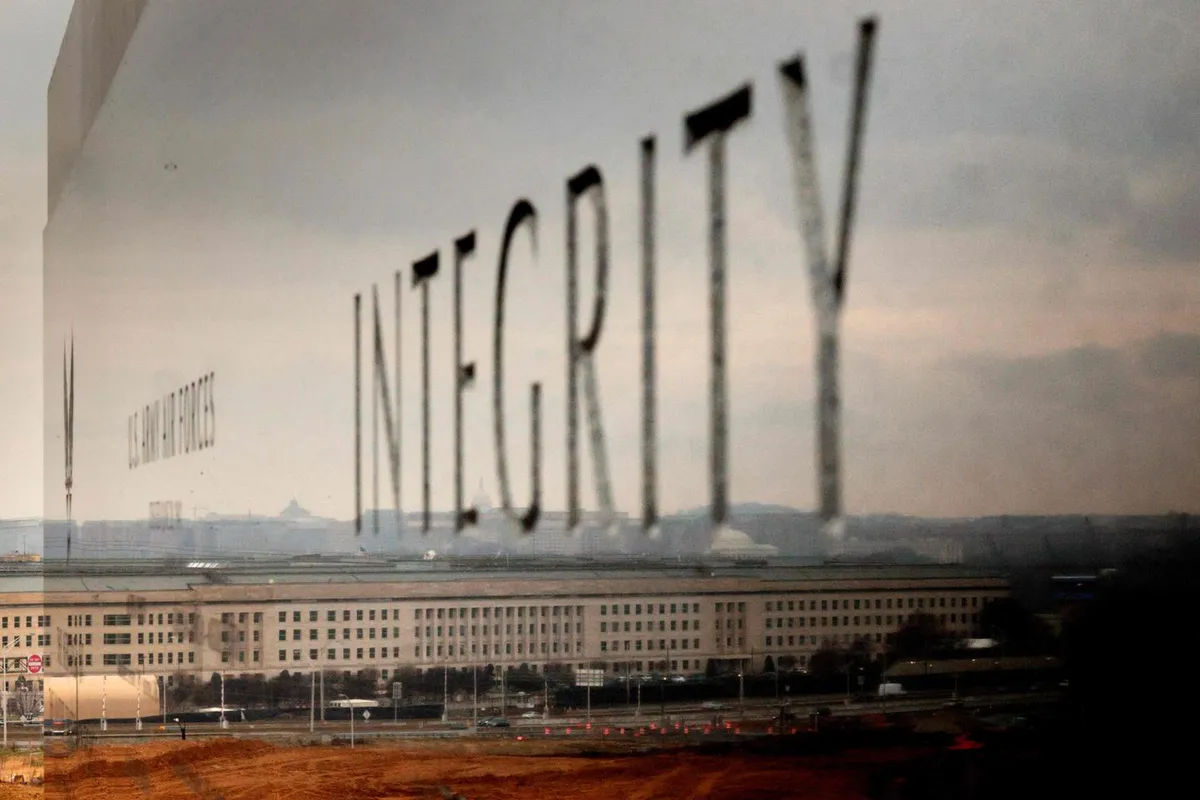
On 23 January 2026, the Pentagon published a 34‑page document that sets out a new national defence strategy for the United States. It marks a clear shift in how the US plans to position itself globally, coming shortly after remarks by President Donald Trump at the World Economic Forum in Davos, Switzerland. The paper lists priority changes and signals a move to redefine America’s role in security while asking allies to shoulder more of their regional defence.
A shake-up in priorities and strategy
The 2026 strategy takes a different tone from policies under the Biden administration. It re‑prioritises homeland security and leans towards pulling back from traditional alliances, pushing partners to take greater ownership of their defence. The Trump administration also puts heavy weight on border control and internal security, saying, “We will prioritise efforts to close our borders, to repel any form of invasion and to expel foreigners in an irregular situation.”
Where earlier documents named China as the main challenge, this one uses more conciliatory language, stressing the need for “respectful relations.” Deterrence still sits at the heart of the approach. Notably, Taiwan is not mentioned at all (a deliberate omission that departs from previous US positions). Russia is described as “persistent but manageable,” rather than being labelled a “serious threat” as in the Biden era.
Regional shifts and who does what
A big theme is getting regional allies to take charge of their own security. In Europe, NATO allies are portrayed as “much more powerful” and “well placed to assume the primary responsibility for the conventional defence of Europe.” In Asia, South Korea is judged capable of deterring North Korea, with the US offering “essential but more limited” support.
The strategy also changes the US posture toward the Americas, aligning with the White House national security strategy from December 2025. The Pentagon vows to “restore US military dominance within the American continent,” calling this a “Trump corollary to the Monroe Doctrine.” A cited example is the operation in Caracas that led to the capture of Venezuelan leader Nicolás Maduro, which was presented as a way to assert US supremacy in the region.
Military moves and global posture
The document details recent military action, especially naval strikes since September 2025. Around 30 strikes were carried out against vessels suspected of trafficking, mostly in the Caribbean and the Pacific, and these attacks left more than 110 fatalities. So far, the US government has not provided clear evidence linking those ships to trafficking.
On the diplomatic front, the United States says it is ready to work with neighbours such as Canada and nations across Central and South America, but stresses those ties depend on mutual respect and shared contributions to defence. It warns that failure to comply could bring “targeted and decisive measures” to advance US interests.
What’s missing and how others have reacted
There are notable gaps in the strategy. For example, it does not treat climate change as a threat, unlike earlier papers that flagged it as an “emerging threat.” That omission points to a shift away from global environmental concerns toward more immediate security matters.
Canadian Prime Minister Mark Carney said these changes look like a “‘break’ in the world order,” a remark that captures how the strategy has been received internationally and shows its effects beyond American borders.
This new strategy clearly spells out the Trump administration’s vision of America’s role abroad. By pushing for regional self‑reliance alongside targeted US support, it signals a period of foreign policy shaped by national interest and regional dominance. As these policies roll out, the global geopolitical landscape could shift noticeably, prompting allies and rivals alike to rethink how they deal with the United States.