What Discovering Spiders Indoors Could Uncover About Your Home You Never Realised
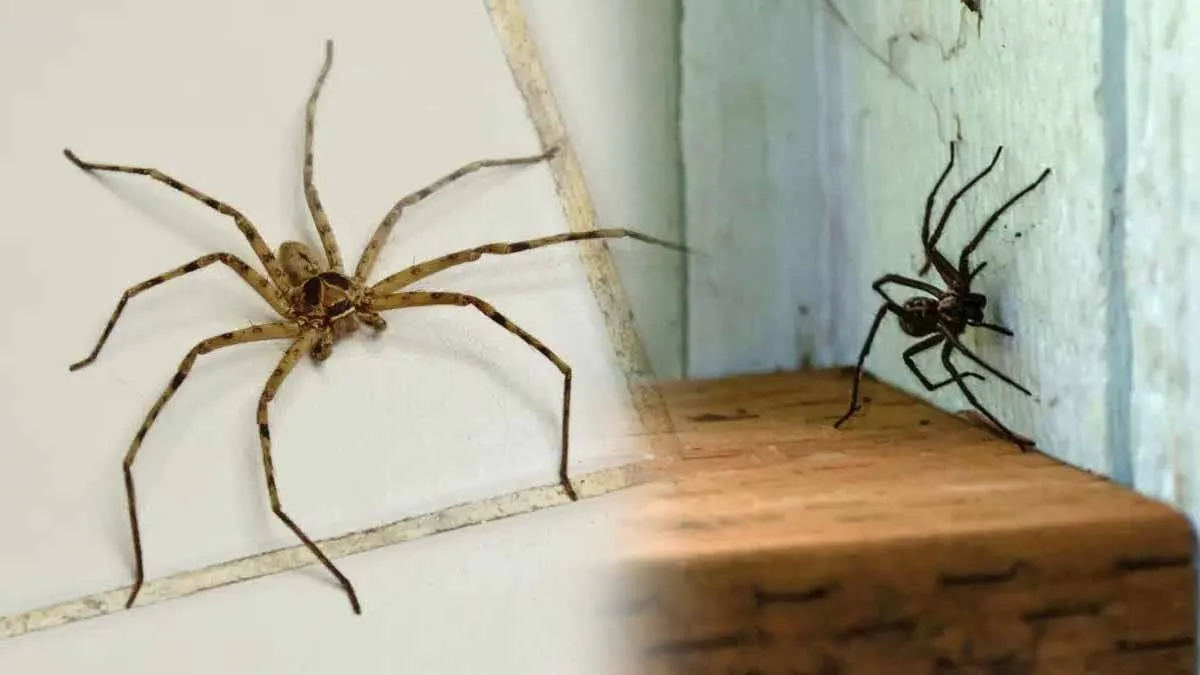
Spiders are probably some of the most misunderstood visitors in our homes. Lots of people instinctively jump back at the sight of eight legs, yet spiders carry a mix of cultural meaning and practical benefits. Paying attention to them can reveal things about both their behaviour and the rooms we live in.
Stories and practical reasons they’re here
In many cultures, spiders stand for things like patience, creativity and quiet focus. Their careful web-building can be a nudge to handle parts of our own lives with a bit more care and thought.
But there are also very practical reasons they turn up indoors. Ideal spider habitats have steady temperatures, calm corners and an easy food supply. Places such as basements, attics, under sofas and behind storage are prime real estate for spiders looking for refuge. Those spots tend to have low footfall and plenty of chances to catch prey, so they make good homes for arachnids.
What draws spiders in and what they do
Spiders are often found where certain environmental factors line up. They’re attracted to areas where food like gnats, fruit flies, pantry moths and mosquitoes is plentiful. A bit of humidity and steady temperatures create perfect micro-climates, and cluttered or rarely cleaned spaces offer safe hiding places.
In most houses, spiders are harmless and do their best to avoid people. Their venom is usually too weak to cause serious harm (for most people). As natural pest controllers, they help cut down populations of unwanted insects such as mites and gnats. That quiet service underlines their ecological role inside our homes.
Living with spiders without harm
If you want fewer spiders around without hurting them, there are several humane steps you can take. Make a mint mist by adding a few drops of peppermint essential oil to water and lightly spray window frames, door trims and room corners. Weekly vacuuming of ceiling corners, baseboards and spots under furniture helps deter them.
Change how you light your home — warm bulbs or motion sensors bring in fewer insects than bright, constant lights, reducing the “bug buffet” that attracts spiders. And control food sources by covering fruit bowls and sealing pantry items like grains and nuts.
When a few spiders become a problem
Spotting one or two spiders is normal, but a sudden swarm may point to deeper issues. Look for excess humidity (condensation, musty smells or mould patches) and hidden insect sources such as pantry moths. Check entry points like gaps in window seals, door sweeps or foundation cracks and seal them up.
If measures such as running a dehumidifier or using airtight containers don’t fix the problem, calling a licensed professional can help identify and deal with the underlying cause.
Watch them work and appreciate what they do
If you’re curious, try watching a spider undisturbed in a low-traffic corner for a week. You’ll see their engineering skills as they build webs, hunt and manage other bugs — it might turn an “eww” into a “wow.”
Spiders aren’t monsters or mascots; they’re neighbours doing useful jobs. Their silk and behaviour have inspired work in science, architecture and design. Keeping a balanced view and using gentle methods to manage their presence lets us coexist more peacefully and learn more about these interesting creatures and the spaces we share.